Welcome to ThreadLyne Global

Welcome to ThreadLyne Global
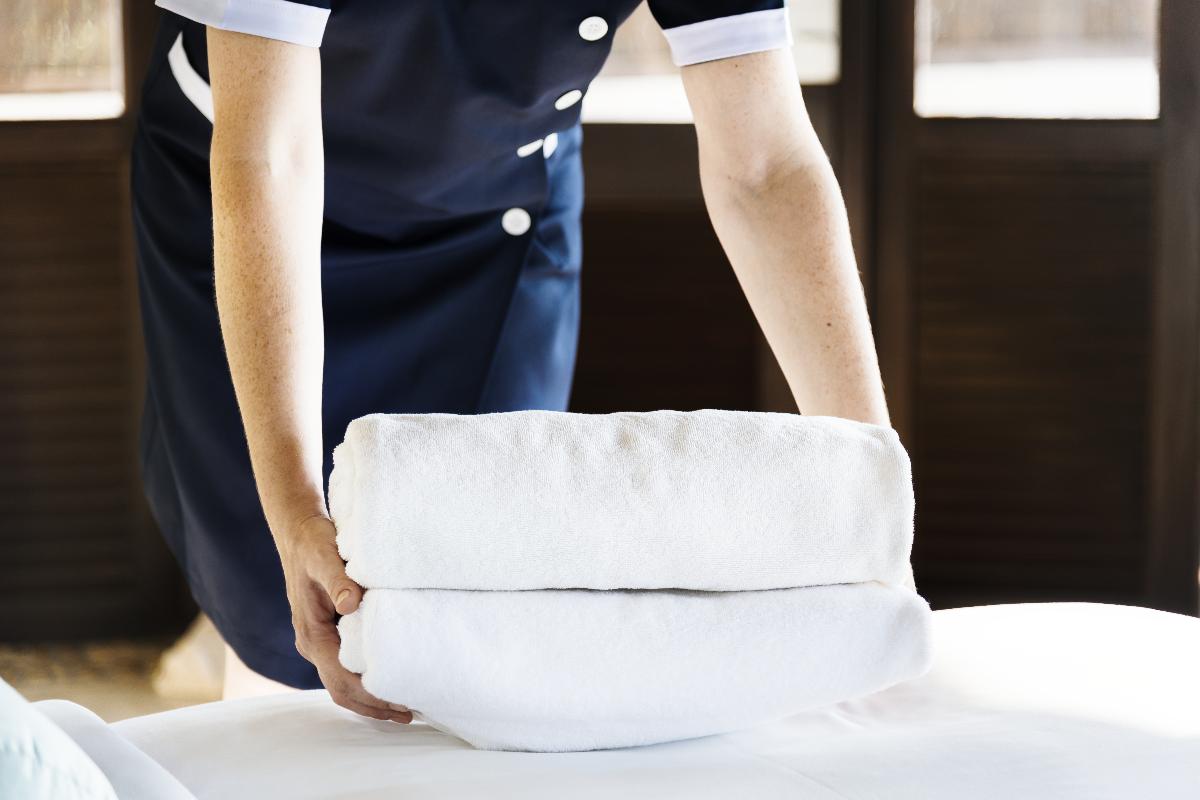
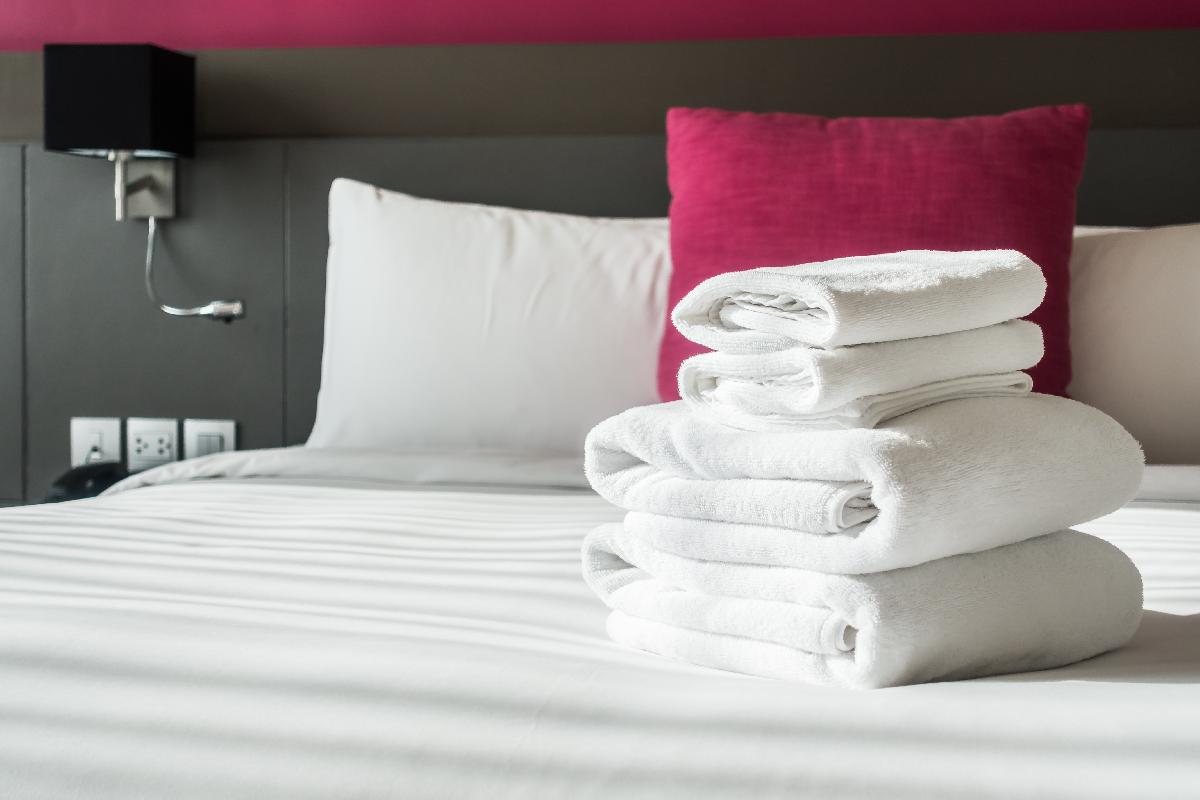
In the hospitality industry, few operational assets are as visible — yet as underestimated — as hotel linen. Crisp bedsheets, plush towels, and spotless tablecloths silently shape a guest’s perception of cleanliness, comfort, and overall brand quality. While guests may never think about how linen is managed, they immediately notice when standards fall short.
Behind every well-made bed is a structured system of planning, control, and operational discipline. Linen management is not merely a housekeeping responsibility; it is a strategic function that directly influences cost control, guest satisfaction, and long-term profitability. This guide explores practical techniques like inventory control, wash and chemical control, smart procurement, and data-driven insights that hotels can use to build a stable operation.
Linen Management is the systematic control of all textiles across their lifecycle. It includes planning, procurement, storage, usage, processing, tracking, and replacement of textiles across the property. These activities directly affect the operational bottom line of the hotel. The most common linen categories are:
Financial Impact: Linen is a major recurring cost of hotels. Depending on the quality, they are replaced every six months or every year. This replacement frequency directly affects the annual budget. Pre-planning can help with linen replacement easily.
Guest Experience: Linen is the first physical touchpoint when the guest enters the room. Clean linens are an indicator that says “You can trust us.” The quality of your linen can quietly determine whether a guest leaves a five-star review or never returns.
Operational Stability: Poor control over linens will result in emergency replacements. Anything that you buy as an emergency replacement is going to cost you more money. Also, untimely stockouts can disrupt your room turnover efficiency. All in all, linen management affects your profitability, reputation, and operational control.
Effective management begins with strict inventory control. Without knowing how much linen is available, how quickly it is used, hotels face stockouts, and emergency purchases.
The PAR Level System
The PAR level system is the most common method used to stabilize linen inventory. PAR refers to the number of complete linen sets required per room to operate smoothly.
Most hotels operate on:
3 PAR – One set in use, one in laundry, one in storage
Maintaining correct PAR levels ensures consistent room turnover and prevents last-minute purchasing at inflated prices.
Inventoy Audit & Shrinkage Tracking
Regularly counting your linens is crucial. These help hotels verify actual stock levels, identify damages, and track shrinkage percentages. Shrinkage occurs due to laundry errors, guest removals, or internal mismanagement. Even small percentages can add up over the year.
Forecasting
Linens demand change based on seasons, event schedules, and occupancy. Forecasting before on these variables help hotels plan procurement instead of reacting to them. Measuring the inventory level and forecasting can reduce the operational cost up to 7% annually.
Laundering techniques to maximise the lifespan of your linens are:
Sorting and Segregation
Separate the heavily soiled linens from the ones that are lightly used. This will help in faster washing of the less used ones. Never combine terry fabrics like towel with sheeting fabrics like bedsheets, pillow cases, and mattress protectors. They each require a different degree of wash due to their fabric structures.
Wash and Chemical Control
Using excessive amounts of chlorine in your wash cycle can cause your towels and sheets to yellow and weaken. This results in a greater number of replacements needed. Always monitor the pH level and try to maintain is between 7.0-8.0 level (slightly alkaline). A very crucial step is to maintain the water hardness level below 100ppm (parts per million).
These steps will effectively elongate the lifespan of your linens.
Even with a strong inventory control, linen losses remain one of the biggest cost drivers in any hotel. It rarely happens in one large event. It accumulates over time.
Linen losses actually occur due to:
Loss prevention requires structured accountability systems rather than assumptions. Embroidered or branded linens, controlled towel issuance, and clear log for linen movement are critical to avoid the losses.
Protecting linen assets is not about eliminating every loss — it is about minimizing systemic leakage through discipline.
Instead of throwing away linens due to slight weakening of fibres, you should use a structured downgrade method. This helps in getting the most out of the fabric. The downgrade can be classified into:
This will reduce the need for buying additional rags and sheets for staff. It helps reduce the procurement budget significantly.
Checking for and repairing broken stitches are regular intervals prevents bigger damages to linens. Also, guests notice if there are couple of broken stitches here and there.
Procurement strategy should be made accounting for the lifecycle cost of the linens. Higher quality linen may cost 10% more but will last for longer time.
Read more about the Total Cost of Ownership (TCO) of your linens.
Effective linen management today relies on measurable performance indicators, not assumptions. Hotels that track linen performance through data gain better control over costs, lifespan, and loss.
RFID & Barcode Tracking
RFID tags and barcode systems help hotel linen tracking across rooms, laundry, and storage. They improve accountability, track wash cycles, and identify unusual shrinkage patterns. While RFID offers automation, barcode systems provide a practical alternative for mid-sized properties. Greater visibility reduces operational leakage.
Key KPIs to Monitor
To manage linen strategically, hotels should track:
When linen performance is measured consistently, replacement planning becomes predictable and operational gaps become visible early. Modern hotels manage linen through data-driven control, not guesswork.
Hotel linen is not just fabric — it is a recurring investment that touches every guest experience and every operational budget. When inventory is controlled, laundering is optimized, shrinkage is minimized, and procurement decisions are made strategically, linen transforms from a cost burden into a managed asset.
Strong linen management reduces emergency spending, stabilizes room turnover, improves guest trust, and protects margins over time. The difference between reactive operations and disciplined management often lies in how well linen systems are structured.
Modern hotels do not treat linen as an afterthought. They manage it with visibility, accountability, and data-driven control — ensuring operational excellence at every stage of the lifecycle.
If you're looking for a strategic partner to help select the linens that suit your needs, reach out to us today!

ThreadLyne Global is a trusted hospitality linen supplier, delivering premium bed linen and towels worldwide. We stand for comfort, quality, transparency, and on-time supply for hotels, importers, and wholesalers.
ThreadLyne Global - Copyright . All rights reserved. | Proudly created by Green Hightech
ThreadLyne Global is a trusted hospitality linen supplier, delivering premium bed linen and towels worldwide. We stand for comfort, quality, transparency, and on-time supply for hotels, importers, and wholesalers.