Welcome to ThreadLyne Global

Welcome to ThreadLyne Global
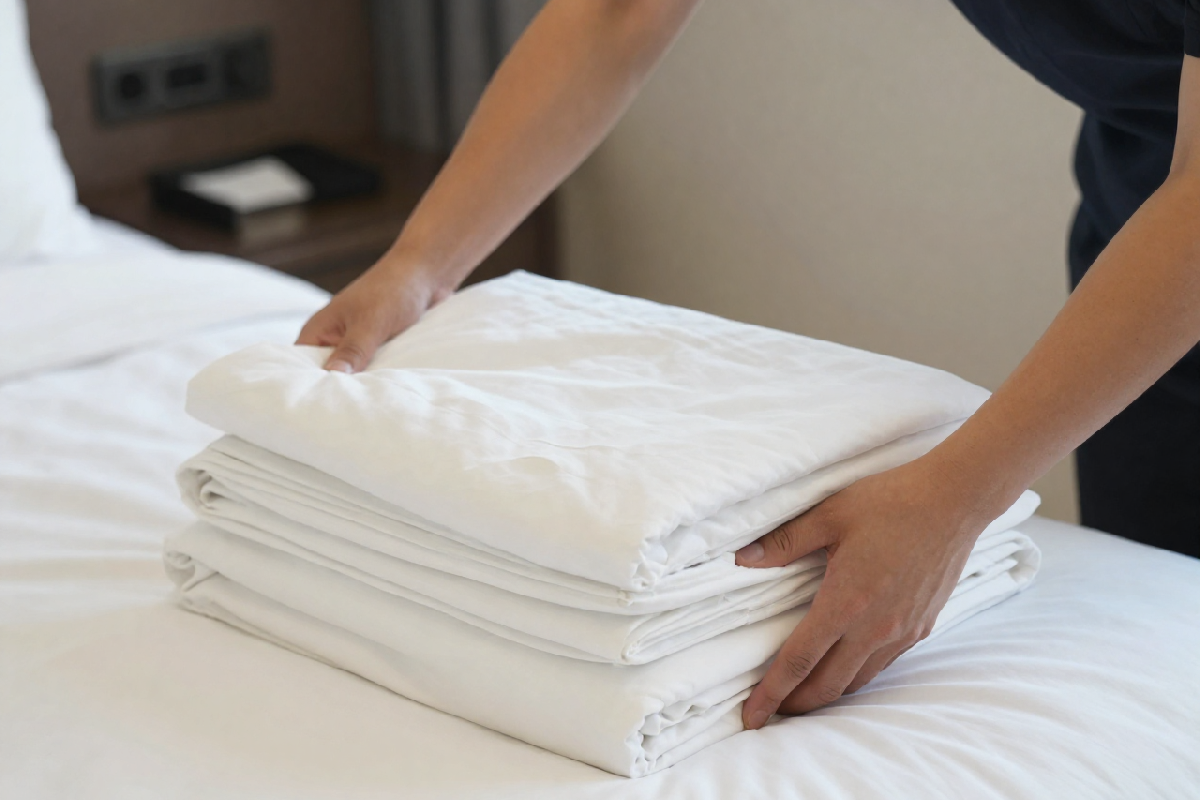
Most hotels don't have a linen replacement schedule. They have a linen replacement crisis, the moment housekeeping flags a room because the sheets are too thin to use, or a guest complaint triggers a scramble to pull inventory that should have been retired months ago.
The problem isn't that the linen wore out. That's inevitable. The problem is that nobody saw it coming. This means no budget was set aside, no order was placed in advance, and whoever manages procurement is now paying spot prices AND waiting six weeks for a bulk shipment that should have already arrived. A replacement schedule doesn't just protect the guest experience. It turns linen replacement from a reactive cost into a planned one which means better prices, no stockouts, and a purchasing cycle you control instead of one that controls you. In this article you will learn the item-by-item benchmarks for linen use cycle, the warning signs of linen damage, and a simple framework to turn these benchmarks into a full procurement plan.
While purchasing your linen, you would always ask your supplier how long the products would last. Frankly speaking there is no simple answer to this question. It all depends on the turnover and occupancy levels of your hotel room. The higher the occupancy is, the faster your linens will wear out. A simple guide to understand how long your linens will last at different occupancy levels is as follows:
|
Item |
Wash Cycles |
Lifespan (70% Occ.) |
Lifespan (90% Occ.) |
|
Bedsheets |
100-150 |
18-24 months |
10-14 months |
|
Pillow Cases |
100-150 |
18-24 months |
10-14 months |
|
Bath Towels |
100-150 |
12-18 months |
8-12 months |
|
Bath Mats |
75-100 |
12-18 months |
8-12 months |
|
Pillows |
- |
12-18 months |
6-12 months |
|
Duvet Covers |
100-150 |
18-24 months |
10-14 months |
The table above isn’t the hard-set rule for replacement period. If you begin to see warning signs beforehand, then you must act and replace the items as you see fit. The following warnings signs should not be ignored under any circumstances:
Please keep in mind that the timelines are for when to do an inspection of your inventory. These warning signs are to understand when to act. We'd strongly recommend building these into your housekeeping SOPs so there's no guesswork involved.
The most overlooked and probably the single biggest factor determining your linen lifecycle is the PAR level inventory that you maintain. A higher PAR level means that you will have to wash your linens less frequently. This results in a considerably longer lifespan of your linen.
To give you a clear idea of how the PAR level can affect the lifespan let’s take an example. At 3 PAR, your sheet will cycle through the laundry 3 times a week at 70% capacity. However, at 4 PAR inventory system with the same occupancy level, your sheets will go through the laundry approximately 2.5 times a week. That one extra set of linen will result in a 25% reduction in wash cycles. This in turn adds upwards of 4 months on your linen’s lifespan; while also helping you improve your linen management process.
You might wonder that having an additional PAR level will increase the upfront cost of purchasing your linens, and you’re probably right. However, this extra cost can easily be recovered with one replacement cycled avoided.
Use the following steps to build a foolproof procurement plan for your hotel:
Keeping these pointers at the centre of your linen procurement planning will help you streamline the entire process.
Replacement isn’t a reactive task. It is a crucial part of the procurement cycle. The hotels that manage their linen cost best are the ones treating replacement as planned spend, not emergency spend.
If you’re planning your next replacement order, or looking to open a new hotel, ThreadLyne Global supplies hotel-grade sheets, towels, bath linen direct from trusted factories in India. Contact us today for a quote tailored to your exact replacement needs.
Not sure what the PAR level is right for your hotel? Read our PAR level Guide. Getting that number right is the fastest way to reduce how often you replace.

ThreadLyne Global is a trusted hospitality linen supplier, delivering premium bed linen and towels worldwide. We stand for comfort, quality, transparency, and on-time supply for hotels, importers, and wholesalers.
ThreadLyne Global - Copyright . All rights reserved. | Proudly created by Green Hightech
ThreadLyne Global is a trusted hospitality linen supplier, delivering premium bed linen and towels worldwide. We stand for comfort, quality, transparency, and on-time supply for hotels, importers, and wholesalers.