Welcome to ThreadLyne Global

Welcome to ThreadLyne Global

Buying home textiles looks simple on paper, but in reality, it’s a complex process with multiple moving parts. From yarn selection to weaving, dyeing, stitching, finishing, and finally shipping — the product passes through more than five different entities and over ten critical activities. A single mistake at any stage creates a bullwhip effect, where small issues snowball into major production and shipment problems.
Most importers assume that the biggest risk is a higher cost per unit. But the real damage often comes from delayed shipments, inconsistent quality, and a damaged market reputation — losses that compound over years, not weeks.
Understanding the most common sourcing mistakes, like buying cheapest option, ignoring product specs, skipping quality control, and preventing them can help save upto 20% in replacement costs. In this blog, you will be looking at the most common mistakes made by importers while sourcing home textiles and at best practises on how to avoid them.
A low-price in home textile often means cheaper raw materials — and that directly affects durability. A product that should last 25+ washes may start failing after 10, turning a “cost-saving deal” into a replacement cycle. A 20% cheaper quote feels attractive, but if the linens last half as long, you end up buying double. The supplier gives you the discount you wanted, but benefits later through more frequent reorders. The cheapest option almost always becomes the most expensive. Quality, durability, and consistency should outweigh a low initial price.
Many importers ask for “hotel bedsheets” or “hotel towels” without defining the technical specs. In textiles, costing depends heavily on exact dimensions — so when you only mention king, queen, single, or double, the supplier can choose any size that fits his costing. This opens the door for overpricing simply because dimensions were never fixed.
Thread Count and GSM matter just as much, as they determine the raw material used. For example, a 300 TC bedsheet can cost almost twice as much as a 200 TC. If you don’t specify these details, suppliers may downgrade quality to maintain margins — leading to inconsistent performance and products that don’t match your expectations. Clear specs protect your costing, brand consistency, and final product quality.
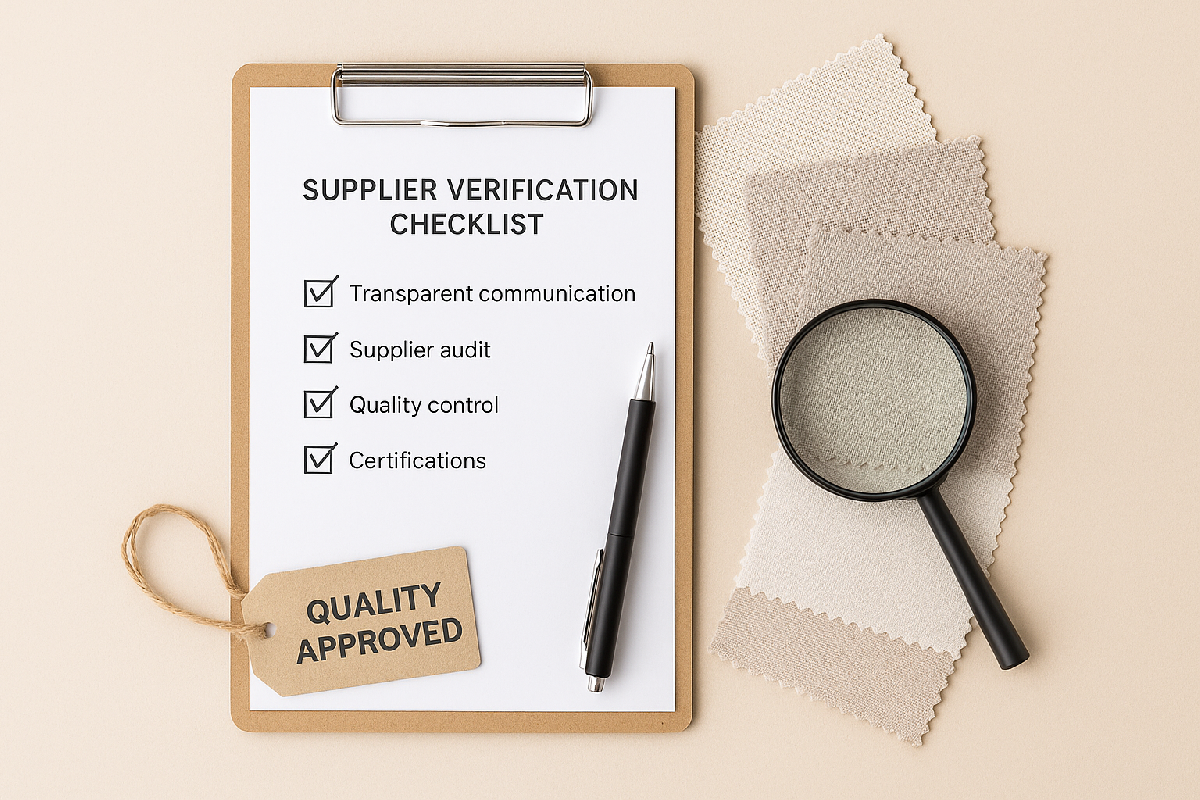
A surprising number of importers assume that if a supplier promises timely delivery, they must be capable of it — but this is where most problems begin. Without verifying their actual production capacity, order history, or delivery performance, you’re trusting blind assurances instead of evidence.
Simple questions can reveal a lot:
Their answers — and whether they can prove them — will tell you more about their reliability than any brochure. The safest approach is to ask for contact details of a few existing customers. A quick verification call can expose whether the supplier is genuine or just overpromising to win your business.
Failing to check capability leads to delays, inconsistent quality, and last-minute surprises. Verifying upfront protects your supply chain and your reputation.
Many importers approve samples too quickly, assuming the bulk production will match the first piece they receive. But suppliers often use higher-quality materials or better finishing for initial samples, which may not reflect true production quality. Without checking wash performance, shrinkage, GSM stability, colour fastness, and stitching strength, you risk approving a product you haven't fully tested. The biggest miss is skipping the pre-production sample (PPS) — the version that shows what will actually be produced in bulk.
Rushing the sampling stage leads to surprises during delivery, and by then, it’s too late to fix them. A careful sample review protects you from costly mistakes later on.
A major mistake importers make is assuming verbal agreements are enough. In home textiles, even small misunderstandings can lead to wrong sizes, incorrect stitching patterns, mismatched colours, or delayed shipments. When communication isn’t clear, suppliers fill the gaps with their own assumptions — and those assumptions rarely align with your expectations.
Everything must be documented: dimensions, GSM, thread count, colour codes, stitching details, packaging requirements, tolerances, and delivery timelines. Without written clarity, you have no basis for resolving disputes or holding the supplier accountable. Weak documentation also leads to inconsistent quality across orders, because the supplier has no fixed reference to follow. Clear, detailed communication and proper documentation create predictability. Without them, you’re depending on luck — not a controlled sourcing process.
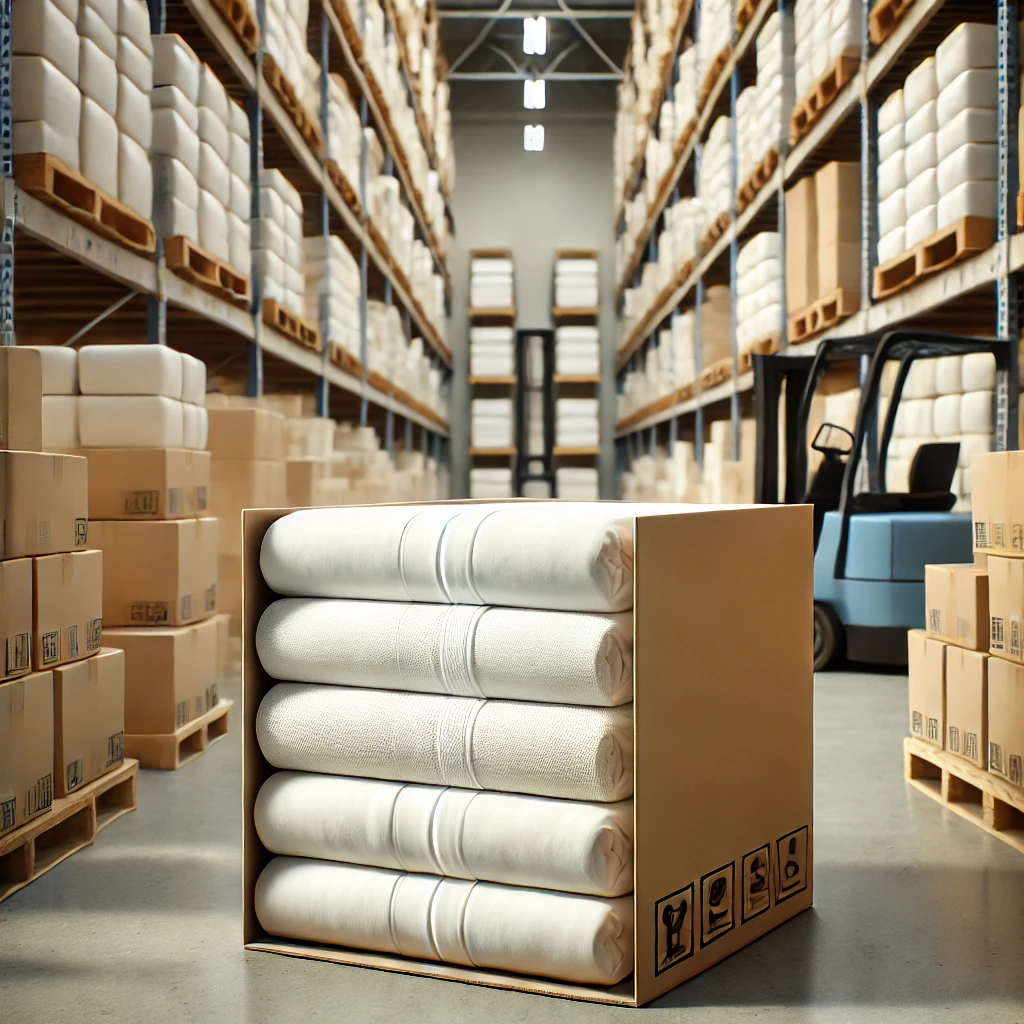
Many importers wait until the shipment reaches their own port to inspect quality — but by then, it’s too late. If the goods don’t meet your specifications, the only options are expensive rework, rejected shipments, or reverse logistics, all of which create massive delays and financial loss. The safer approach is to conduct a full quality inspection at the supplier’s warehouse, once the entire order is ready but before it is sealed and shipped. This gives you the freedom to demand corrections immediately, without triggering extra freight costs or documentation issues. Early inspection protects both sides: the supplier can fix issues on the spot, and the importer avoids receiving a container full of problems.
Quality should be verified at the source — not after the goods have already crossed borders.
ThreadLyne Global is a trusted hospitality linen supplier, delivering premium bed linen and towels worldwide. We stand for comfort, quality, transparency, and on-time supply for hotels, importers, and wholesalers.
ThreadLyne Global - Copyright . All rights reserved. | Proudly created by Green Hightech
ThreadLyne Global is a trusted hospitality linen supplier, delivering premium bed linen and towels worldwide. We stand for comfort, quality, transparency, and on-time supply for hotels, importers, and wholesalers.