Welcome to ThreadLyne Global

Welcome to ThreadLyne Global
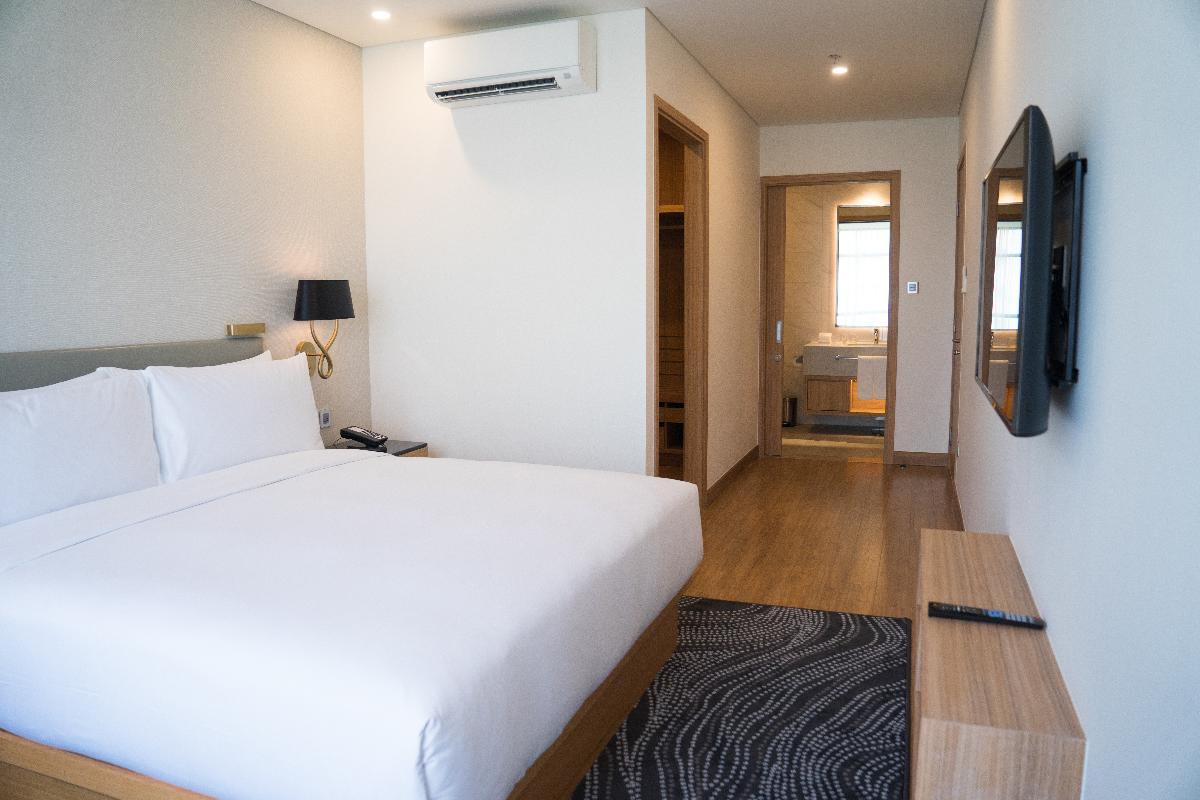
When buyers compare hotel linen options, the conversation usually starts with thread count or fabric type. But one of the most important factors — the weave construction is often the least understood. Sateen is not a material. It is a weave. And that distinction changes everything about how a sheet feels, performs, and holds up over time.
This guide breaks down exactly what sateen sheets are, how they are made, how they compare to percale, and what that means for hotels, procurement managers, and linen distributors making sourcing decisions.
Sateen sheets are woven using a specific construction method called the sateen weave, a pattern where four threads float over the top of one thread underneath. This 4-over-1-under structure gives sateen its signature surface: smooth, and slightly lustrous. It is noticeably different from the crisp finish of other weave types.
The key point to understand is that sateen describes the weave, not the material. A sateen sheet is commonly made from cotton — typically long-staple cotton. It is the weave construction that determines its feel. Two sheets made from the same cotton can feel entirely different depending on if they are Sateen or Percale weave.
The floating thread structure means more yarn surface is exposed on top of the fabric. This increases softness and creates a gentle sheen without any synthetic treatment. That subtle shine is a natural result of the weave itself, not a finishing coating.
The production process behind quality sateen sheets involves several steps, each of which affects the final appearance and feel of the product.
Long-staple cotton selection: The process begins with fibre selection. Long-staple cotton varieties are preferred because they produce a smoother, stronger yarn with less surface fuzz. Shorter fibres are more prone to pilling, which degrades the feel after repeated washing.
Combed yarn over carded yarn: Once the cotton is spun into yarn, quality sateen uses combed yarn rather than carded yarn. Combing is an additional process that removes short fibres and aligns the remaining fibres in the same direction. The result is a cleaner, finer yarn that weaves into a smoother fabric. Carded yarn is cheaper but produces a coarser, less consistent result.
Sateen weave construction: The yarn is woven using the 4-over-1-under method. Four warp threads float over a single weft thread before passing underneath. This float creates the smooth surface feel and the slight sheen that characterises sateen. The weave also means the fabric is slightly less interlocked than a plain weave, which contributes to its soft, fluid drape.
Mercerization (optional, premium): High-quality sateen is sometimes mercerized after weaving — a treatment where the fabric is exposed to a caustic soda solution under tension. This process increases tensile strength, improves dye absorption for richer colour, and enhances the lustre. Mercerized sateen is typically found at the premium end of the hospitality linen market.
The following table summarises the defining characteristics of sateen sheets at a glance:
|
Feature |
Description |
|
Feel |
Silky, smooth to the touch |
|
Look |
Subtle sheen, elegant finish |
|
Weight |
Slightly heavier than percale |
|
Warmth |
Warm, retains heat, less breathable |
|
Drape |
Soft and fluid on the bed |
|
Wrinkling |
Naturally wrinkle-resistant |
Understanding the advantages and limitations of sateen helps hotels and buyers make the right procurement decision for their specific context.
Pros:
Cons:
Percale and sateen are the two most used weave constructions in hospitality linen. Both use cotton, but they produce fundamentally different sheets. The right choice depends on property type, climate, and guest experience priorities.
|
Feature |
Sateen |
Percale |
|
Weave Pattern |
4-over-1 under |
Plain weave, 1-over-1 |
|
Feel |
Silky, smooth |
Crisp, cool |
|
Airflow |
Less breathable, retains warmth |
More breathable, cooler sleep |
|
Durability |
Slightly less durable at high wash cycles |
Highly durable, withstands heavy laundering |
|
Price Point |
Slightly higher |
More cost-effective at scale |
|
Best For |
Boutique, luxury, cooler climates |
Mid-tier, warm climates, high-volume properties |
|
Hospitality Use |
Strong in Europe, UK, premium segment |
Widely used across all hotel tiers globally |
For high-turnover properties with heavy laundry cycles, percale holds up better over time. Thus, it is more cost efficient. For properties where guest tactile experience is the differentiator sateen justifies the price premium. Many procurement managers use both: percale for standard rooms and sateen for suites or seasonal rotation.
Sateen is not a universal fit. Its strengths align well with specific property types, climate zones, and procurement strategies.
Thread count is one of the most misused figures in linen marketing. In sateen specifically, the 4-over-1 weave structure naturally produces higher thread counts because the floating threads allow more yarn to be packed into the same area. This means a sateen sheet will always show a higher TC than a percale sheet made from the same quality yarn.
This is important context when evaluating supplier quotes or comparing products across different weave types. A 300TC sateen and a 300TC percale are not equivalent products in feel or construction.
Ideal thread count range for sateen: 300TC to 600TC. Within this range, higher thread counts reflect finer yarn and better construction. Below 300TC in sateen, the fabric often feels thin and lacks durability. Above 600TC, manufacturers compromise on yarn quality to hit the number — sheets become heavier, less breathable, and wear out faster despite the impressive figure on the label.
Thread counts above 1000TC are largely a marketing claim. Achieving genuine 1000TC with quality yarn is difficult and rarely delivers a better product. What matters far more than the thread count number is the yarn type — whether combed or carded, the staple length of the cotton, and the finishing process applied.
For procurement managers: always request the fabric specification sheet and yarn composition alongside the thread count. TC alone is not a reliable quality indicator and should never be the primary basis for a sourcing decision.
Sateen's floating thread structure requires more careful laundering than percale. Proper care extends lifespan and maintains the fabric's feel long term.
Sateen is one of the most misunderstood terms in linen sourcing — often treated as a fabric type when it is, in fact, a weave construction. The 4-over-1 weave method is what creates the smooth, lustrous, wrinkle-resistant surface that distinguishes sateen from every other sheet type.
For hotels, sateen performs best in cooler climates, premium property tiers, and room categories where tactile guest experience is a deliberate brand decision. For procurement managers, the key is looking beyond thread count to yarn quality, construction, and wash cycle durability. For traders and distributors, sateen is a strong upsell product with clear visual and tactile appeal.
When sourced correctly — from the right yarn, with the right construction, from a supplier who understands the difference — sateen sheets are one of the most effective ways to elevate a property's linen offer without moving into the full luxury price bracket.
Looking to source sateen sheets in bulk? Request a quote from ThreadLyne Global and our team will help you find the right specification for your property or distribution catalogue.
ThreadLyne Global is a trusted hospitality linen supplier, delivering premium bed linen and towels worldwide. We stand for comfort, quality, transparency, and on-time supply for hotels, importers, and wholesalers.
ThreadLyne Global - Copyright . All rights reserved. | Proudly created by Green Hightech
ThreadLyne Global is a trusted hospitality linen supplier, delivering premium bed linen and towels worldwide. We stand for comfort, quality, transparency, and on-time supply for hotels, importers, and wholesalers.