Welcome to ThreadLyne Global

Welcome to ThreadLyne Global
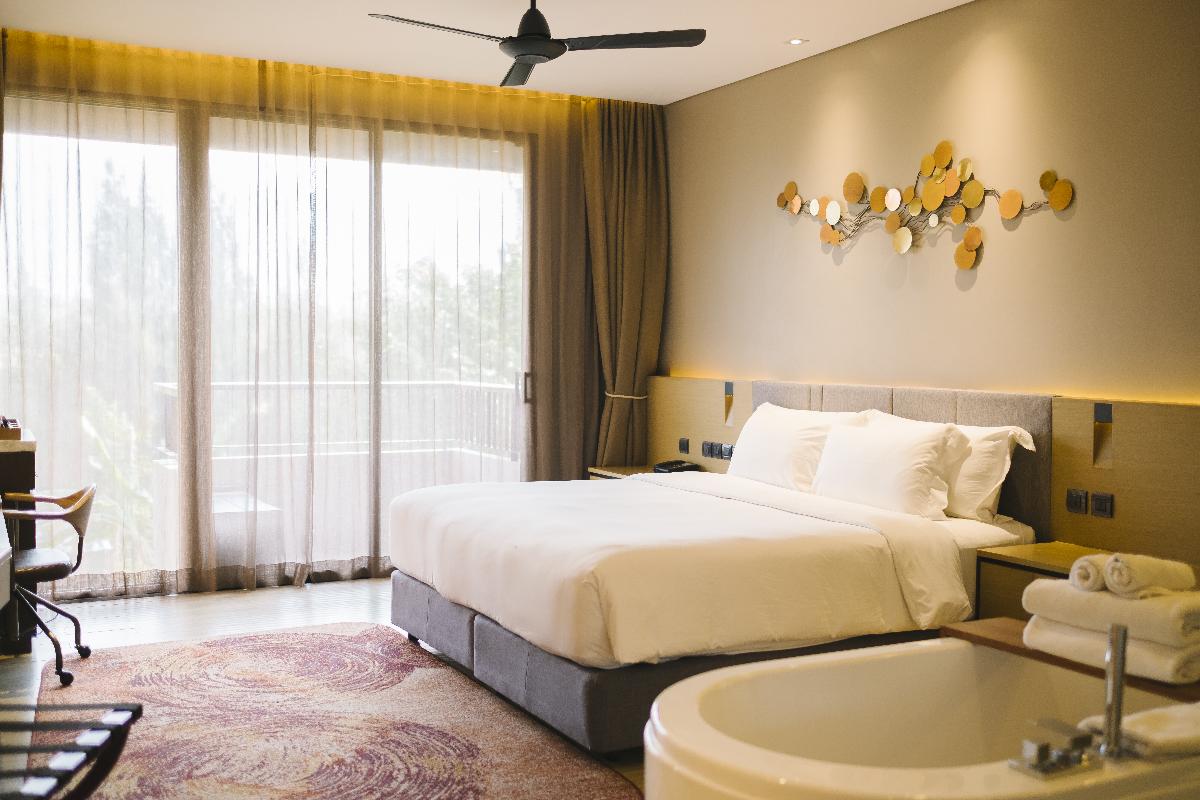
Many hotels look at the purchase price of linens, but the bigger cost appears later. Sheets wear out, towels lose softness, and replacements happen more often than expected. This becomes a regular expense that affects budgets, housekeeping work, and guest satisfaction. Managing hotel linen replacement is not about buying the cheapest option available. It is about selecting linens that can handle frequent washing, and daily use—while still feeling comfortable for guests. Factors to consider when replacing linens like fabric type, GSM, weave types, laundry conditions, and supplier reputation, often go unchecked.
In this article, we explain how hotels can make better linen choices that last longer, reduce replacement needs, and help control long-term costs without affecting guest comfort.
On the surface, linen replacement looks simple. Old linens are removed, new ones are purchased, and operations continue. In reality, the process is much more complex and time-consuming. Every replacement cycle runs through multiple departments. Procurement has to source and place orders, housekeeping has to manage shortages and changeovers, and managers have to ensure rooms are not affected. When this happens many times in a year, it uses more time, energy, and money than hotels expect.
Frequent replacements also create friction between teams. Housekeeping may push for faster replacement due to wear and tear, while procurement may focus on budgets. If these cycles are not planned and controlled, it can lead to confusion, delays, and inconsistent linen quality. The hidden issue is that hotels rarely look at how often these cycles repeat in a year. More replacement cycles mean more effort across departments, higher operational stress, and rising costs that are difficult to track.
This is why the goal should not be just to replace linens when they fail, but to reduce the total replacement cycles altogether. Fewer, well-planned replacement cycles lead to smoother operations, and lower long-term costs.
What defines the best hotel linens? Is it high quality? Or the lowest price?
The short answer is no.
The best hotel linens are the right balance of comfort, durability, and consistency. All three matter, and ignoring even one can create problems over time. Comfort and durability must go together. Linens that feel soft and luxurious but wear out quickly increase costs. On the other hand, linens that are very durable but uncomfortable can affect the guest experience. This directly impacts reviews, repeat bookings, and overall revenue.
Consistency is just as important. Guests expect the same look and feel in every room. Frequent replacements or mixed-quality linens often lead to inconsistency, which is noticed more than hotels realize. From a hotel manager’s perspective, “best” sits in the middle of what different teams want. Procurement teams focus on pricing, suppliers, and budgets. Housekeeping teams focus on ease of use, washing performance, and how long linens last. The right linen choice supports both sides instead of creating conflict.
This is where lifecycle cost becomes more important than the purchase price. Instead of asking how much a sheet costs, hotels should ask how long it lasts. When comfort, durability, and consistency are balanced well, the lifecycle cost comes down—and replacement cycles reduce naturally.
Indian suppliers offer the best balance of cost and consistency, which helps reduce the lifecycle costs of your linens.
Learn how
The lifespan of hotel linens depends largely on the specifications chosen at the time of purchase. Small decisions here can significantly affect how often replacements are needed.
Fabric type matters. Percale sheets handle frequent washing better and suit high-turnover rooms. Sateen feels softer but may show wear faster if not matched to the right usage. Choosing fabric only for feel often leads to early replacement. Yarn quality and construction are more important than thread count. Strong yarns hold up better to repeated washing, while weaker yarns thin out or tear sooner.
For towels, higher GSM is not always better. Very heavy towels absorb more water, and take longer to dry. GSM should match how the hotel operates, not just how the towel looks. Many linens fail first at the edges and seams. Poor stitching and weak hems cause fraying long before the fabric wears out. Good finishing extends usable life.
Finally, laundry conditions and standardisation are often ignored. Linens must suit the hotel’s washing process, and specifications should stay consistent across orders. This helps linens wear evenly and keeps replacement cycles under control.
Many hotels use the same linens across all rooms. While this feels easier to manage, it is not always the most cost-effective approach. Rooms with high turnover go through more washing cycles and need more durable linens. Rooms with lower turnover can focus more on comfort, as the linens are washed less frequently. A mix like this helps reduce wear while still meeting guest expectations.
Linen selection also depends on the type of hotel. Business hotels usually need consistency above all else. Guests expect the same look and feel every time. Resorts, on the other hand, place a higher value on comfort. For budget hotels, a balanced approach works best—neither over-specifying nor compromising too much on comfort.
In some cases, buying very premium linens actually increases cost. Better specifications only make sense when the room usage supports them. If not, replacement cycles become shorter and expenses rise. This is why it is important to identify and categorise rooms based on their purpose before selecting linens. While this may seem like extra work, it is worth the effort. Done correctly, it leads to better control over replacement cycles, smoother operations, and lower long-term costs.
Reducing linen costs over the long term starts with a shift in mindset. Instead of looking at the cost per piece, hotels need to look at the cost over time.
For example, a bedsheet that costs slightly more but lasts two years is often cheaper than a lower-priced sheet that needs replacement every eight or ten months. Even though the upfront price looks higher, fewer replacement cycles mean less purchasing, and lower overall effort. Over time, fewer replacements matter far more than cheap buying.
Working closely with housekeeping is just as important. This is where the real data comes from. Housekeeping teams see which linens wear out faster, which ones feel rough after repeated washes. Their feedback is based on daily use, not assumptions.
This ground-level input is often more valuable than conclusions drawn from online reviews. While reviews show outcomes, housekeeping reveals the reasons behind them. Involving them early helps hotels make better, more practical linen decisions and reduces friction between departments.
The long-term goal should be to reduce the number of replacement cycles, not just negotiate a lower price each time. Planned, fewer replacements lead to smoother operations, better coordination, and more predictable costs.
Learn how to identify a trustworthy supplier.
Choosing the best hotel linens is not about luxury or low price. It is about making decisions that support comfort, durability, and consistency over time. When hotels focus on lifecycle cost, room usage, and real operational feedback, linen replacement stops being a recurring problem and becomes a controlled process.
If you are reviewing your current linen strategy, this is a good time to step back and look at how often replacements happen—and why. Small changes in selection and planning today can lead to meaningful savings and better guest experience in the long run.
ThreadLyne Global is a trusted hospitality linen supplier, delivering premium bed linen and towels worldwide. We stand for comfort, quality, transparency, and on-time supply for hotels, importers, and wholesalers.
ThreadLyne Global - Copyright . All rights reserved. | Proudly created by Green Hightech
ThreadLyne Global is a trusted hospitality linen supplier, delivering premium bed linen and towels worldwide. We stand for comfort, quality, transparency, and on-time supply for hotels, importers, and wholesalers.