Welcome to ThreadLyne Global

Welcome to ThreadLyne Global
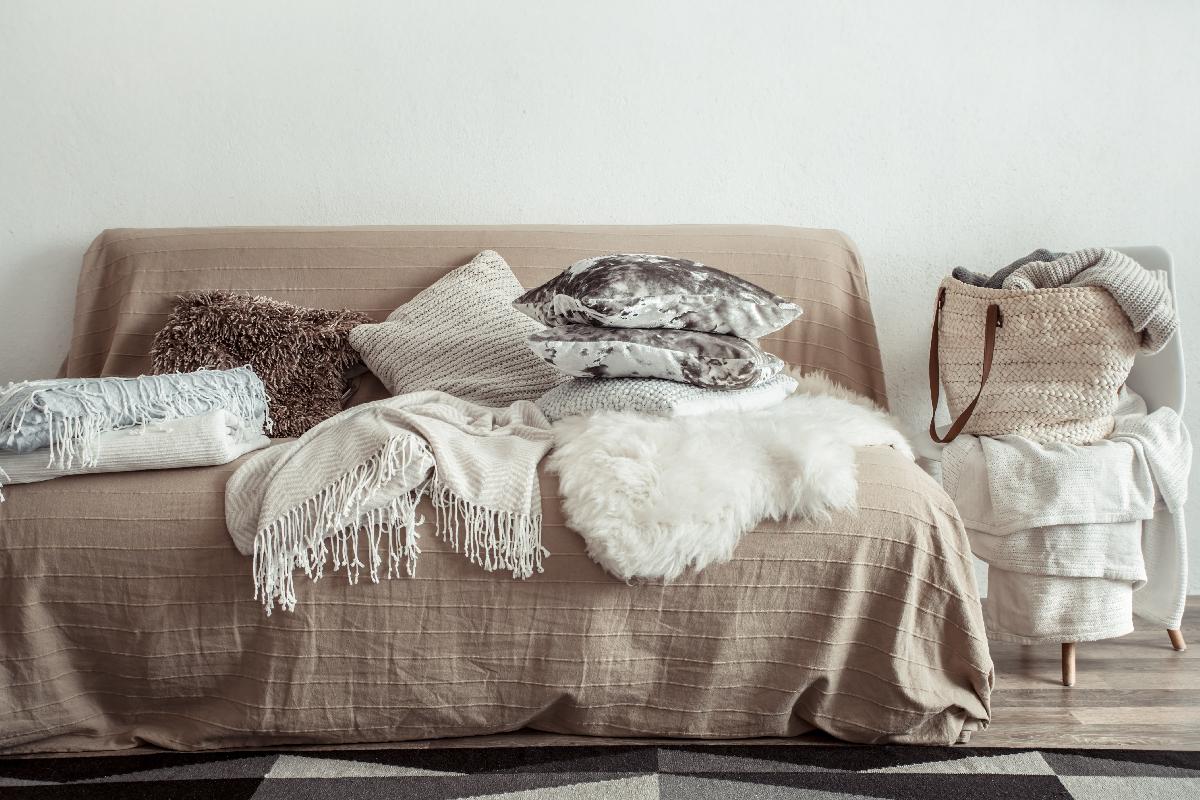
In 2026, The Home Textile Industry is evolving at a rapid pace. It is being shaped more than just changing colour palettes or design updates. It’s being redefined by sustainability efforts, technological innovation, personalisation, and evolving consumer lifestyles. The end buyer expects textiles to be technologically advanced, aesthetic, and most importantly a reflection of themselves.
In this blog, you will explore the key home textile industry trends that are shaping the future of the global market. A new study states that in 2026, the market is worth over $140 Billion; projected to grow to a whopping $200 Billion in 5 years. That represents a 6.5% CAGR over the period. As homes become spaces of comfort, identity, and well-being, home linen are no longer decorative elements. They are central to how people live.
Customers are no longer satisfied with a superficial promise of sustainable production. Stamping a “Made in Green” tag on packaging is no longer enough. They look for real impact, and real proof. Traceability Tags, showing the journey from raw material to end product have become an industry standard.
The use of recycled fibres is gaining significant traction. Recycled Cotton yarns have become available to most manufacturers. This plays a significant role in adoption of beddings and towels made from recycled cotton. The use of natural dyes, made from natural extracts has reduced toxic chemical wastes released in the industrial processes. These new age dye formulas have also reduced the amount of water required in processing as well.
Few brands have also started offering product take back solutions. They offer incentives to consumers to return old linens for recycling. This has resulted in increased supply of recycled cotton in the market, which helps create a circular sustainability cycle.
2026 is the year where technology will meet comfort. Fabrics do more than just look good. A new line of Temperature Adaptive Fabrics has entered the international markets. They adjust the warmth of the bedding based on the body temperature. Natural fibres like Cotton and Bamboo are blended with cooling gel and PCMs (Phase Changing Materials) to achieve this unique temperature regulating line of products.
The COVID-19 Pandemic has increased the use of Anti-Microbial Finishes in Beddings and Towels. Silver and Zinc Fibers when infused in Cotton or Bamboo, have the ability of killing odour-causing bacteria on sheets and towels. It reduces the frequency of washing linens by 20%.
Performance based Linens have become a standard across households. More customers are opting for wrinkle resistant and moisture wicking sheets. Sheets blended with Lyocell or Tencel enhances sleep quality with their unique ability of absorbing moisture. Pairing them with cotton or Bamboo creates a perfect blend of breathability and comfort.
Colours and designs in 2026 reflect a shift towards emotional comfort and natural grounding. The fabric palettes of this year revolve around earth tones, gentle pastels and bold accents, giving homes a serene feel. Warm tans, muted ochres, terracotta, and mushroom greys are dominating the collections. These tones create a grounded and peaceful atmosphere with natural bamboo and organic cotton fibres.
The youth fancy soft pastels and muted tones like Misty Blue, Blush Pink, Sage Green, and Lilac. These colours offer serenity without being overly sweet. They blend seamlessly with the earthy tones and create an aesthetically pleasing surrounding.
In terms of surfaces designs, 2026 has seen a shift towards tactile, expressive designs with story depth. Botanical prints, abstract florals, and prints with heritage stories are being preferred to symmetrical prints of 2025. They evoke calm, sustainability and connection to the natural world. Minimalism with meaning is seen as the way to go. Customers are choosing for high quality basics that last for a longer time. These linens transcend fast fashion cycles.
The change in calendar year has also brought about a shift towards sleep promoting textiles. Aromatherapy textiles infused with Lavender, Chamomile and Cooling Gel microcapsules are now widely available. With youth understanding the importance of sleep quality, there is scope for a lot of innovation in this fragment. The future is very bright.
One of the most powerful shifts in home textile is the revival of local crafts at the international level. Consumers are draw towards products that have strong cultural depth and human touch. As a result, brands are blending crafts from multiple countries into one strong portfolio that appeals to all consumers.
Techniques like Handwoven Ikats, block printing, artisanal embroidery are no longer confined to niche markets. They are being reinforced with sophisticated colour palettes and minimalist layout to shape a new global style. Focus has shifted from heavy ornamenting to subtle craftsmanship that exude authenticity.
It is no surprise that the home textile industry will be driven by the new developments and innovation in Ecommerce and Retail channel for the next 10 years. The use of AR (Augmented Reality) has allowed customers to see how beddings will look in their rooms before buying it. It helps them make smarter purchases.
The emergence of subscription services is also a big step towards a new market. Brands have launched models where linens will be replaced after a fixed time. More customers are showing an affinity towards this mode. It helps in recycling the used linens and leaves the customers with linens that stay in style all year round.
The growth of beddings and towels market in expected to be significant. A major contributing reason is the increase in disposable income in the Asia Pacific Region. Home textiles are no longer viewed as basic household necessities; they are seen as an expression of identity, wellness, and status. This shift in mentality has caused an increase in demand across the mass and premium segments.
The revival of global travel and tourism is strengthening demand for hotels, serviced apartments, and short-term rental properties. Operators are prioritising high quality beddings, towels, and decorative textiles for a better guest experience, hence promoting bulk procurement across international markets.
|
Strategy |
Why it matters |
|
Invest in sustainability certification |
Builds trust & command price premiums |
|
Offer customization |
Meets demand for self-expression |
|
Embrace tech-enabled textiles |
Adds functional value |
|
Leverage digital commerce tools |
Improves conversion |
|
Collaborate with artisans |
Adds authenticity & narrative |
If you’re looking for a supplier who understands your needs and provides custom solutions, reach out to our team.
Contact Today!
ThreadLyne Global is a trusted hospitality linen supplier, delivering premium bed linen and towels worldwide. We stand for comfort, quality, transparency, and on-time supply for hotels, importers, and wholesalers.
ThreadLyne Global - Copyright . All rights reserved. | Proudly created by Green Hightech
ThreadLyne Global is a trusted hospitality linen supplier, delivering premium bed linen and towels worldwide. We stand for comfort, quality, transparency, and on-time supply for hotels, importers, and wholesalers.