Welcome to ThreadLyne Global

Welcome to ThreadLyne Global
The low-cost option isn’t always the smartest choice. For decades, global textile buyers have chased low-cost sourcing across borders — from China to Pakistan, from Pakistan to Bangladesh. While it’s logical to seek value for money, the focus on price alone often ignores hidden risks: poor quality, delivery delays, and unreliable suppliers.
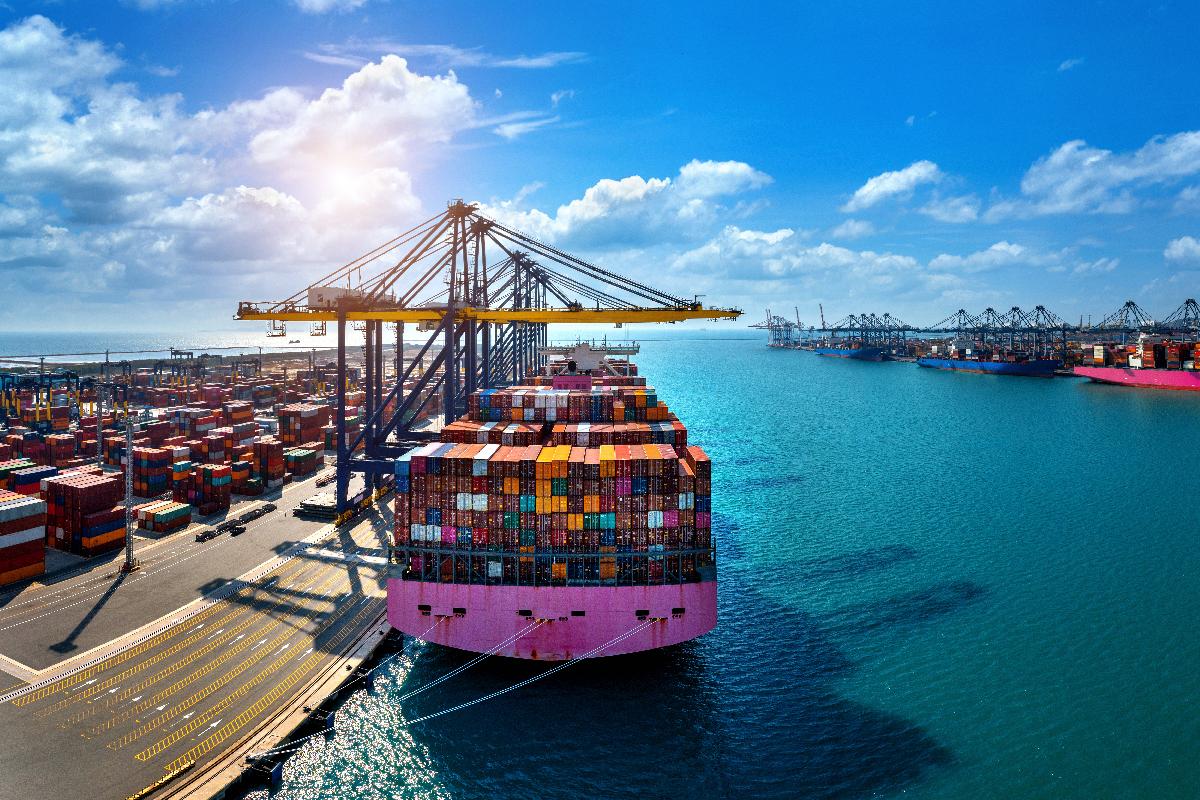
Post the India-UK Free Trade Agreement (FTA), Indian textile exporters are proving that true competitiveness isn’t about offering the cheapest products — it’s about balancing quality, consistency, and trust.
This is where the India UK FTA benefits become more than tariff savings; they enable a new kind of value-based sourcing built on long-term reliability.
A frequently overlooked concept among UK linen buyers is the Total Cost of Ownership (TCO) of their linens.
When you’re buying hotel linen, the real cost isn’t what you pay upfront — it’s what you keep paying over time.
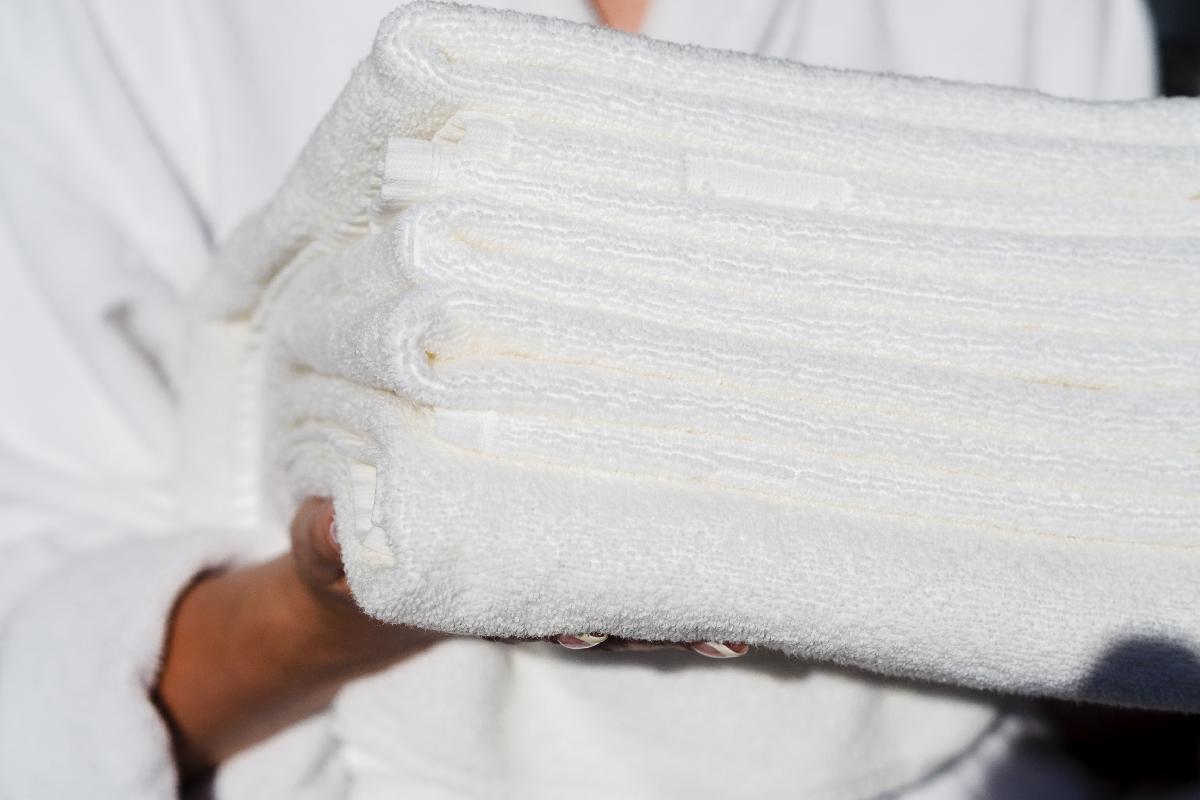
TCO considers not just the purchase price but also the cost to maintain, replace, and manage those linens. A cheaper towel or bedsheet might save you a few pennies upfront but will last for fewer washes, fade faster, and demand more frequent replacements. On the other hand, higher-quality, slightly more expensive linens deliver consistent textile quality, last for more washes, and significantly reduce replacement costs.
| Item (12 months) | "Cheapest" Linen | Higer-grade Linen |
|---|---|---|
| Unit Cost | £3.1 | £4.2 |
| Average Wash per Cycle | ~25 | ~55 |
| Cost per Use | £0.124 | £0.077 |
| Replacement Frequency | High | Low |
In hospitality, quality linen pays for itself.
The lower the replacement cost, the stronger your bottom line — and that’s the hidden truth behind value-based textile sourcing.
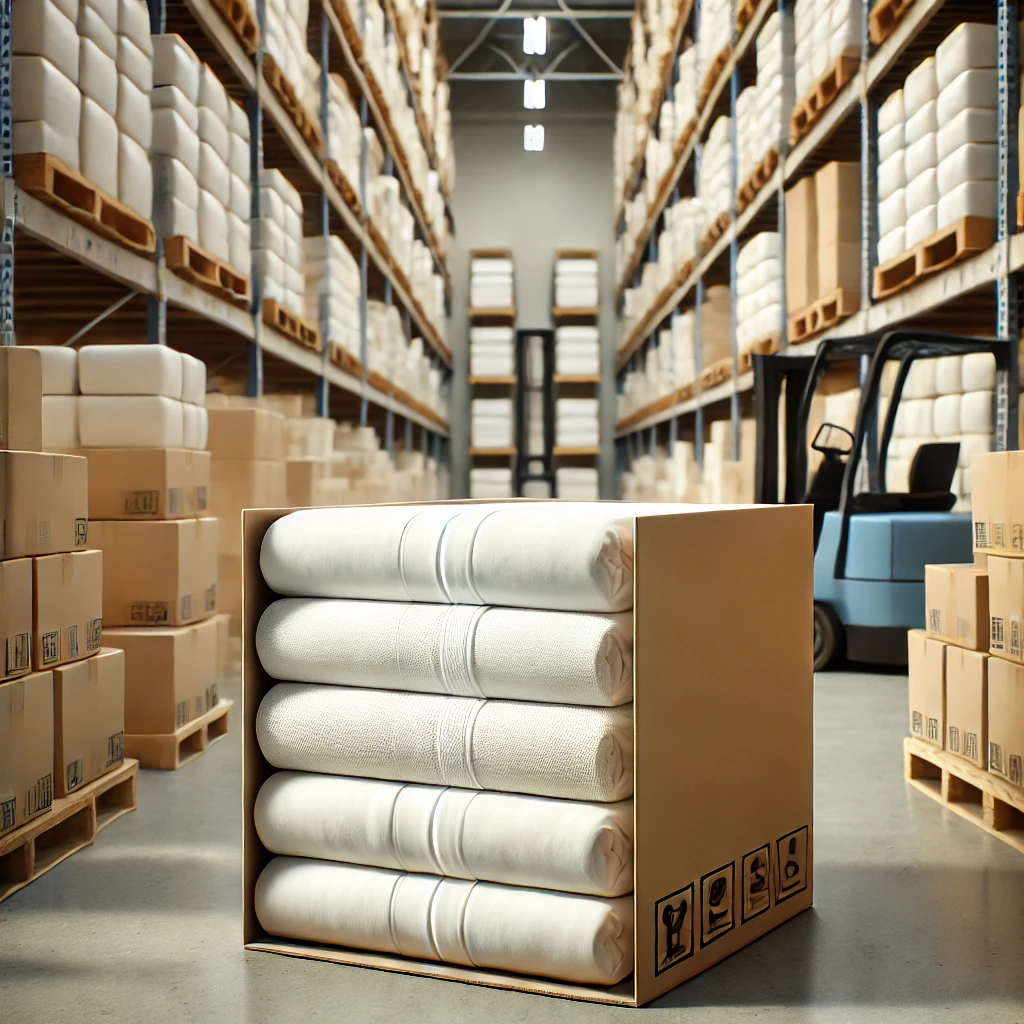
Many importers spend large sums each quarter on re-inspections after delivery. What’s often missed is that a consistent, FTA-ready exporter can eliminate that cost entirely. Imagine receiving every shipment with stable GSM, uniform stitching, and verified compliance documentation — no rework, no surprises.
In the linen trade, a stable supply chain is worth far more than a cheap one.
That’s why more UK linen buyers are shifting toward consistent textile quality over headline pricing. The India UK FTA benefits amplify this advantage by making India’s quality-driven suppliers as cost-competitive as their lower-priced regional rivals.
According to IBEF, India is the world’s second-largest textile producer and third-largest exporter of home textiles and apparel. Behind every premium Indian linen lies a story of care for people, for quality, and for the planet.
Ethical textile sourcing is no longer optional; it’s a purchase criterion. Certified OEKO-TEX and BSCI-approved mills uphold strict global standards, ensuring safe working conditions and sustainable production processes.
This reflects how Indian textile exporters are evolving — blending craftsmanship with conscience, and proving that responsible manufacturing can also be world-class.
Here at ThreadLyne Global, a trusted Hotel Linen Supplier, our goal is not to move maximum units of linen over the year. Our sole focus is to make the sourcing experience for our partners easier. We aim to educate our peers about the new breakthroughs in the industry to promote growth for everyone. The goal is to spread the lines of trust around the globe, one weave at a time.
We provide:
“At ThreadLyne Global, we don’t chase the lowest quote — we build the most reliable partnership.”
In sourcing, the term “best deal” has long been equated with lowest price. But for UK linen buyers navigating today’s market, that equation no longer works.
The best deal isn’t the one that saves a few pennies on paper — it’s the one that protects your margins from hidden costs, shipment delays, and compliance risks. It’s the partnership that brings clarity, dependability, and accountability across every shipment.
India’s modern textile ecosystem was built for that definition of value. With stable cotton supply chains, ethical textile sourcing, and FTA-ready documentation, Indian exporters deliver reliability that compounds over time.
For importers, this isn’t about paying less — it’s about losing less:
When sourcing shifts from chasing prices to building partnerships, Indian textile exporters rise to the top — not because they’re cheaper, but because they’re consistent, ethical, and built for the long game.
Request your Cost & Compliance Comparison Sheet to see how balanced sourcing performs better than bargain sourcing.
ThreadLyne Global is a trusted hospitality linen supplier, delivering premium bed linen and towels worldwide. We stand for comfort, quality, transparency, and on-time supply for hotels, importers, and wholesalers.
ThreadLyne Global - Copyright . All rights reserved. | Proudly created by Green Hightech
ThreadLyne Global is a trusted hospitality linen supplier, delivering premium bed linen and towels worldwide. We stand for comfort, quality, transparency, and on-time supply for hotels, importers, and wholesalers.