Welcome to ThreadLyne Global

Welcome to ThreadLyne Global
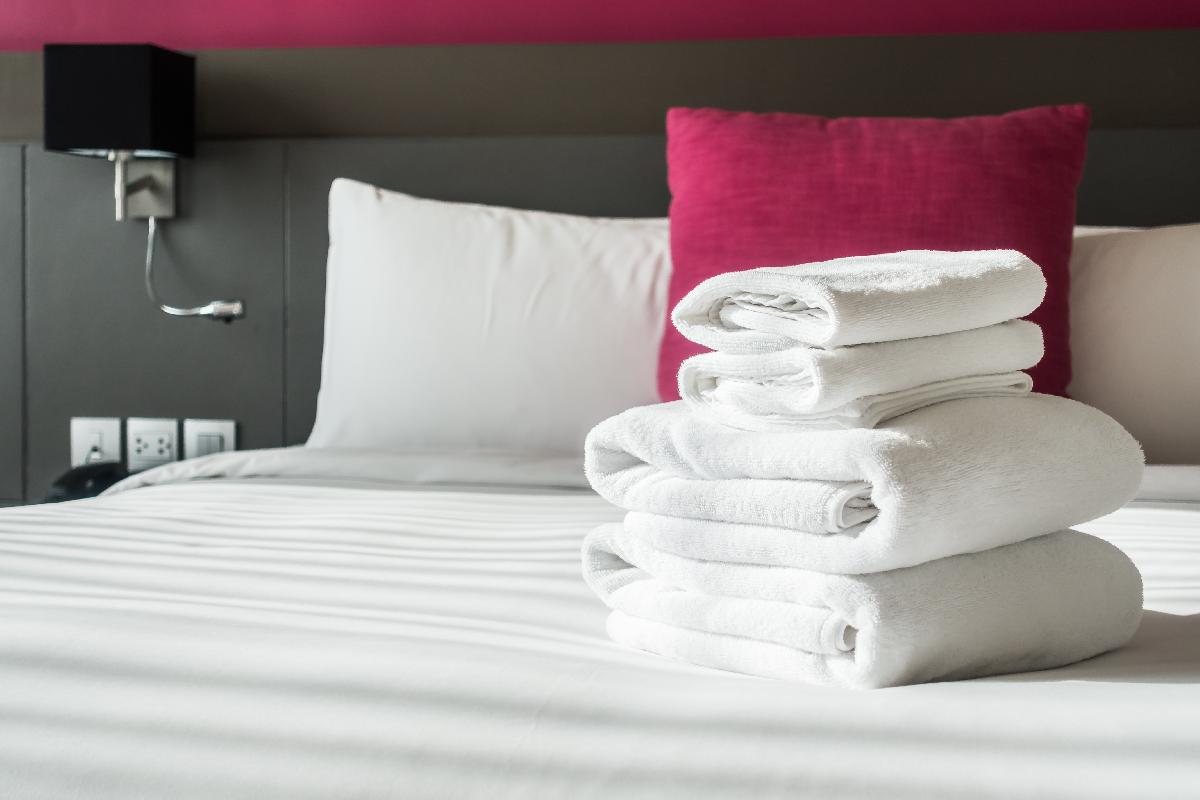
Hotels often face confusion when different rooms have different types of linens. One floor may have one size of bedsheet, while another floor has a different size. Towels may vary in GSM, texture, or color. These small differences create bigger problems than most managers realise.
Inconsistent linen specifications make it harder for procurement to reorder, harder for housekeeping to manage inventory, and harder for laundry teams to operate smoothly. When every batch or room category has different specs, the entire system becomes slower, less efficient, and more expensive.
Standard hotel linen specifications bring clarity. They help every department work with the same understanding of sizes, fabrics, and quality levels. With consistent standards in place, operations run smoother, costs stay under control, and the guest experience remains the same across all rooms.
When hotel linens are not standardised, every department faces confusion. Housekeeping struggles first. Different sheet sizes or fabrics slow down room turnover because staff must check which sheet fits which bed. This often leads to linens being stretched or forced, causing faster damage.
Mixed fabric types and towel GSMs also create inconsistency in guest experience. One room may feel crisp and light, another soft and heavy. It becomes harder for procurement to reorder the exact same items, and vendors may send batches that don’t match existing stock.
Laundry teams face similar issues. Mixed sizes and weights make sorting difficult and cause unbalanced washing loads. This increases friction, which damages linens faster and adds unnecessary labor. In short, non-standard linen specifications lead to confusion, delays, and higher costs across the hotel.
To avoid confusion across departments, hotels need one clear set of linen specifications for all rooms. The first step is choosing a single fabric type, such as Percale or Sateen, and sticking to it. Mixing fabrics creates inconsistency in feel and complicates reordering.
Next, standard sizes must be fixed for all bedsheets, duvet covers, and pillowcases. When sizes are uniform, housekeeping works faster and avoids fitting problems during room turnover. For towels, using the same GSM range ensures consistent softness, drying time, and laundry handling. Mixed GSMs lead to uneven loads and more wear and tear. Strong stitching and finishing—especially reinforced hems—help prevent fraying and extend the lifespan of linens. This reduces replacement frequency over time.
Finally, keeping color and design consistent, usually white, makes maintenance easier and ensures every room feels uniform. Standardising these details creates a clear blueprint for procurement, housekeeping, and laundry teams to follow.
Standardising hotel linen specifications makes daily operations much smoother. When all bedsheets, pillowcases, and towels follow the same sizes and fabric type, housekeeping can work faster. Staff no longer need to guess which sheet fits which bed, reducing delays during busy check-in and check-out times.
Inventory management also becomes easier. With one fabric, one size set, and one GSM range, it is simpler to track how much stock is available and when to reorder. This prevents both shortages and unnecessary overstocking, keeping storage organised and predictable. Communication between departments improves as well. Procurement, housekeeping, and laundry teams all use the same specifications, reducing misunderstandings and preventing mismatched items from entering circulation. Everyone follows the same standards, which removes confusion.
Standardisation also reduces training time for new staff. When everything follows a clear pattern, new housekeeping team members can learn quickly and make fewer mistakes. Laundry teams also find it easier to handle washing loads when linens are consistent in size and weight. Most importantly, standard linen specifications ensure a consistent guest experience. Every room feels the same in terms of comfort and appearance, which strengthens the hotel’s brand and keeps guests satisfied.
Standardising linen specifications has a direct impact on cost control. When a hotel uses one fixed set of sizes, fabrics, and GSMs, bulk purchasing becomes much easier. Procurement teams can negotiate better pricing because they are ordering larger quantities of the same item instead of small batches of many different variations. Reordering also becomes simpler and more accurate. With only one specification to track, procurement teams are less likely to make mistakes. Suppliers can deliver consistent batches, and the hotel avoids wasting money on mismatched items that cannot be used in all rooms.
Standardisation reduces waste in laundry as well. When linens have the same size and weight, laundry loads become balanced, which reduces friction and prevents unnecessary damage. This helps linens last longer and reduces replacement frequency. Because all linens follow the same specifications, they also wear out more evenly. This makes it easier for hotels to plan replacements in advance rather than buying reactively when stock suddenly runs short. Predictable replacement cycles help control long-term spending. Overall, standardisation saves money not just on purchasing, but across laundry, inventory, and future planning.
Learn how Home Textile Costing Works.
Standard linen specifications bring clarity to hotel operations. When every room uses the same sizes, fabrics, and quality levels, housekeeping works faster, procurement reorders with confidence, and laundry becomes more efficient. There is less confusion, fewer mistakes, and a more consistent guest experience.
Standardisation also makes costs easier to manage. With one clear set of specifications, hotels avoid mixing products, reduce waste, and plan replacement cycles in a predictable way. This leads to smoother operations and better long-term control over budget. If you haven’t reviewed your linen specifications recently, this is a good time to do it. Small changes in standardisation can make a big difference in efficiency, cost, and guest satisfaction.
“See our recommended linen specifications”

ThreadLyne Global is a trusted hospitality linen supplier, delivering premium bed linen and towels worldwide. We stand for comfort, quality, transparency, and on-time supply for hotels, importers, and wholesalers.
ThreadLyne Global - Copyright . All rights reserved. | Proudly created by Green Hightech
ThreadLyne Global is a trusted hospitality linen supplier, delivering premium bed linen and towels worldwide. We stand for comfort, quality, transparency, and on-time supply for hotels, importers, and wholesalers.