Welcome to ThreadLyne Global

Welcome to ThreadLyne Global
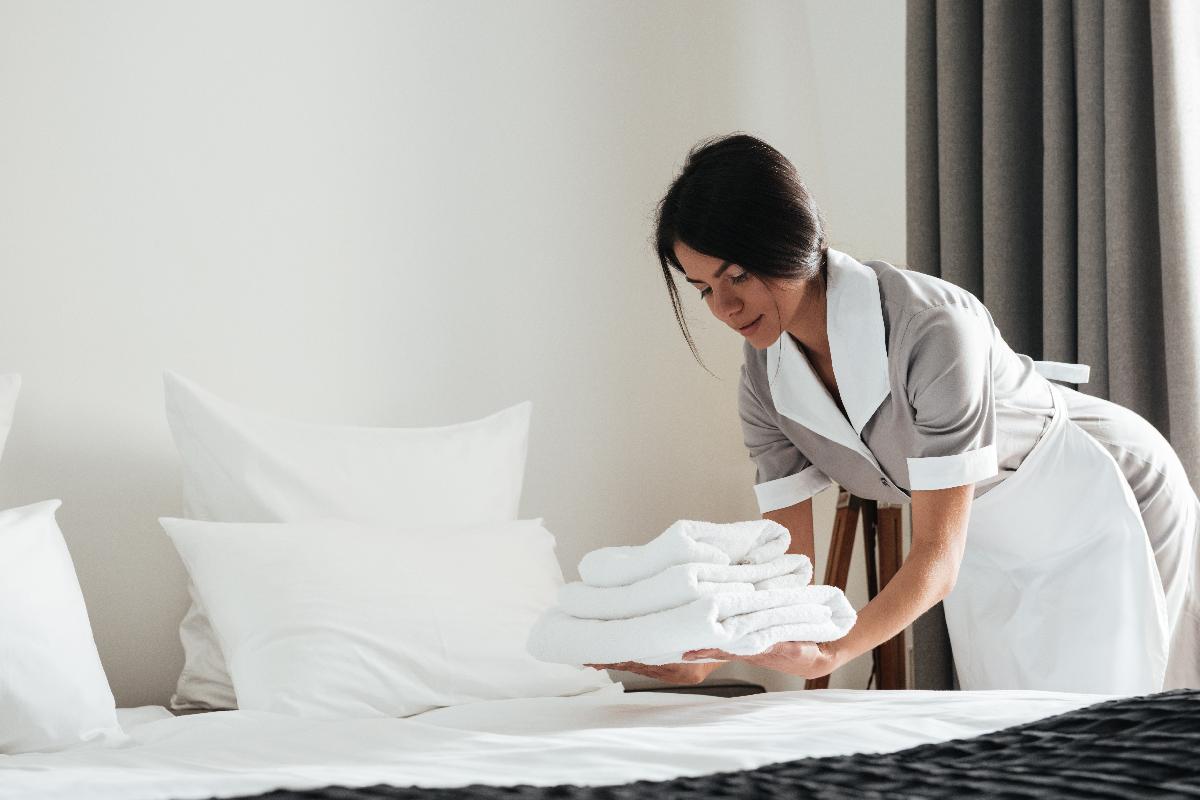
Laundry plays a much bigger role in the life of hotel linens than most people think. The way sheets and towels are washed, dried, and handled daily can shorten their lifespan faster than expected. This not only increases replacement costs but also affects how guests feel during their stay.
The laundry impact on hotel linens is often hidden. While purchase decisions are planned carefully, laundry practices are rarely reviewed with the same attention. High temperatures, harsh chemicals, and rushed processes can quickly damage fabric quality. When linens wear out early, the hotel spends more time and money replacing them.
In this article, we explain how laundry affects both cost and guest comfort—and what hotels can do to extend linen life and reduce replacement cycles.
Hotel linens are designed to be cared for properly. But when the washing process becomes too rough, the fabric starts to weaken much faster than expected.
High washing temperatures can loosen the fibers that are tightly woven together. Hotels often use very hot water for hygiene, but repeated heat exposure slowly breaks the strength of the fabric. Over time, sheets and towels lose stability and begin to thin or tear.
Chemical usage is another major factor. When too much detergent or bleach is used, the fibers start thinning and small gaps appear in the weave. This may not show immediately, but long-term quality drops quickly. The linen feels rougher and loses its original look and comfort.
Aggressive heat drying also harms cotton fibers. Very high dryer settings and over-drying can lead to shrinkage, reduced softness, and early damage—especially around the edges.
Most importantly, more washes always mean a shorter lifespan. High-turnover rooms, daily changes, and quick laundry cycles add up. Even the best linens will struggle if they are washed too frequently under harsh conditions.
In simple words:
The damage doesn’t usually happen in guest rooms — it happens in the laundry.
There are many warning signs before hotel linens become completely unusable. The first thing you will notice is how the fabric feels. A damaged sheet or towel will feel rough on the fingers compared to a new one. Towels may lose their loops, and small threads will start coming off. This is an early sign that the fibers are breaking down.
Sheets can also start becoming slightly see-through. As the gaps between the fibers grow, the fabric becomes thinner and weaker, even if it has not torn yet. This usually happens in the most used areas, like the center of the sheet.
One of the most common indicators is damage at the edges. The hems and stitches start fraying and breaking first because they face the most friction during washing and drying. When this happens, it is often the right time to replace the sheet before visible damage reaches the center.
Most importantly, comfort declines before the damage becomes visible. Guests may feel the roughness or reduced softness long before staff notices any tearing. When comfort slips, guest experience and satisfaction start slipping too.
Laundry is the real cost driver of the linens you purchase. Even if the buying decision is right, poor laundry practices can damage linens faster and lead to more frequent reordering. When this happens, the entire cycle repeats again and again — purchasing, inventory checks, washing, and transportation. More time, more labor, and more coordination all add up to higher cost.
This is why hotels must shift their focus from cost per piece to cost per use. What matters most is how many times a sheet or towel can be used before it needs to be replaced.
Here’s a simple example:
Even though the second sheet is cheaper to buy, it is more expensive in the long run. It also creates more workload, faster frustration, and more guest complaints as quality drops sooner.
Laundry decisions directly affect cost, guest comfort, and operational efficiency. Price tags do not show the full picture — how you care for linens decides their true cost.
Small improvements in the laundry process can make a big difference in how long hotel linens last. By adjusting a few daily practices, hotels can reduce damage and delay replacement cycles without spending more on buying new linens.
The first step is to control washing temperatures. High heat should only be used when necessary for stain removal or hygiene. Lower temperatures are gentler on fabric and help sheets and towels stay stronger for longer.
Using the right amount of detergent and chemicals is just as important. Too much bleach or strong chemicals can weaken fibers and cause roughness or fading over time. Hotels should follow supplier guidelines for proper dosing and pH levels.
Drying also needs attention. Over-drying is one of the fastest ways to damage cotton fibers. Using shorter drying cycles or moisture sensors helps linens stay softer and avoid unnecessary stress.
During washing, linens should be sorted properly. Sheets and towels should not be mixed with rough items like uniforms or napkins. This prevents friction, pilling, and surface damage. Similarly, avoiding machine overload helps reduce mechanical wear on the fabric.
Finally, regular maintenance of laundry equipment is key. A rough drum surface or broken part can easily tear linens before they reach their actual end of life. Taking care of the machines protects the linens inside them.
Better laundry care means linens last longer, guest comfort stays consistent, and replacement costs come down without any extra effort in purchasing.
Laundry decisions and purchasing choices must go hand in hand if hotels want to control long-term linen costs. Even the best linens will fail early if laundry practices are too harsh, and even the best laundry care cannot save poorly selected linens.
When hotels review both together — specifications and laundry conditions — linens last longer, guest comfort stays high, and replacement cycles become fewer and easier to manage. This leads to smooth operations and more predictable costs year after year.
If you are currently reviewing your linen strategy, it may be a good time to reassess how your laundry process affects quality and lifespan. Small improvements can deliver big savings without changing your guest experience.
“Learn more about choosing the right hotel linens with Threadlyne Global”
Working smarter with linens today helps you protect guest comfort and operational efficiency tomorrow.
ThreadLyne Global is a trusted hospitality linen supplier, delivering premium bed linen and towels worldwide. We stand for comfort, quality, transparency, and on-time supply for hotels, importers, and wholesalers.
ThreadLyne Global - Copyright . All rights reserved. | Proudly created by Green Hightech
ThreadLyne Global is a trusted hospitality linen supplier, delivering premium bed linen and towels worldwide. We stand for comfort, quality, transparency, and on-time supply for hotels, importers, and wholesalers.